
Key Research Facilities for Glass-Care
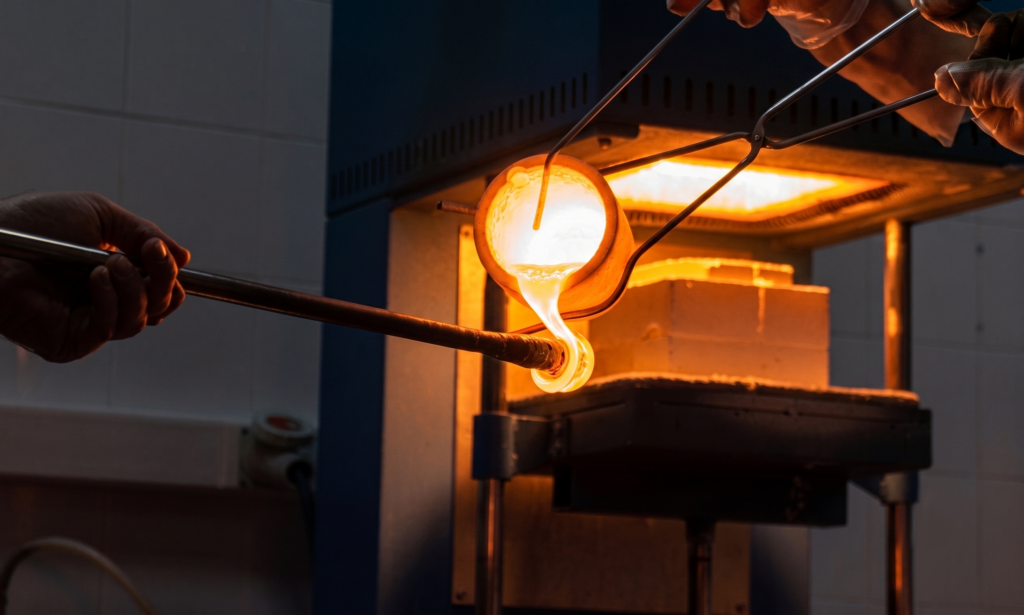
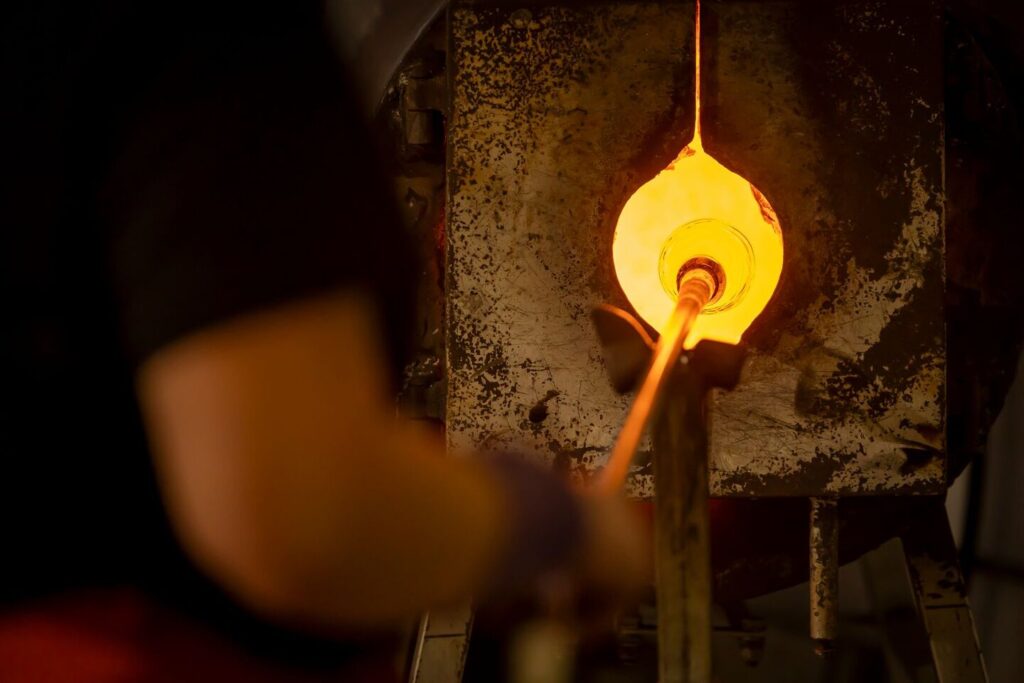
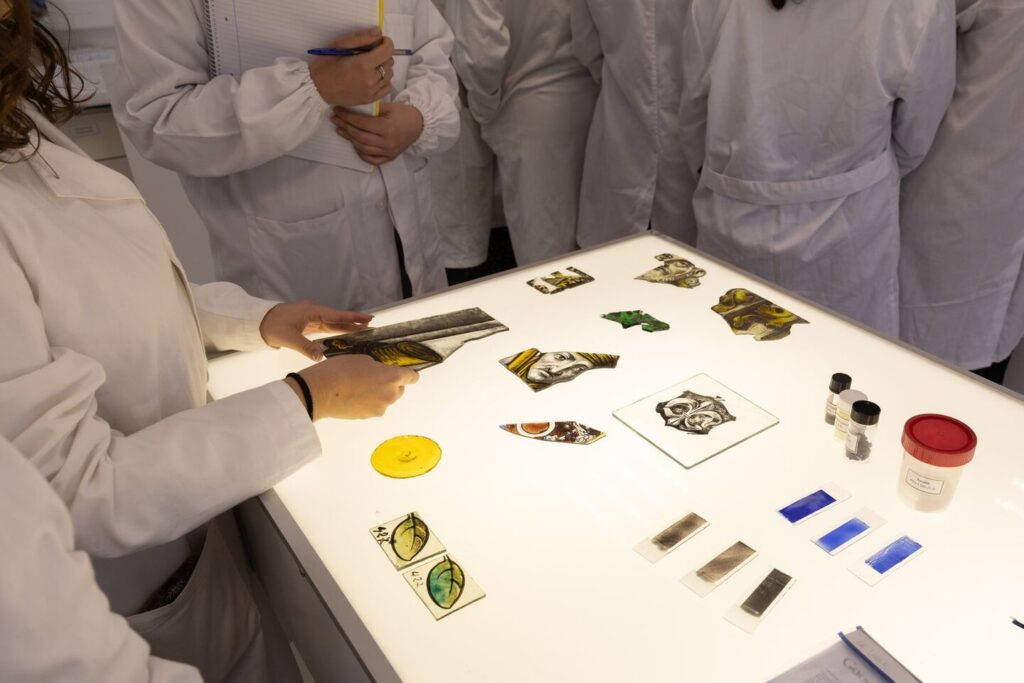
VICARTE at FCT-NOVA provides key infrastructures, featuring comprehensive glass working facilities. These include a gas furnace, glory hole, annealing ovens, torches, and tools for glassblowing and lampworking, as well as equipment for fusing, kiln casting, pâte de verre, and reduction atmospheres. Cold glasswork tools include cutting, polishing, and milling machines, along with a stained glass atelier. A dedicated biology and biodeterioration lab supports cultural heritage research with microscopes, a laminar flow cabinet, and equipment for biological material processing. Several scientific equipment used for the characterisation of glass and ceramic materials is available, such us: Optical Fiber UV/VIS Spectrometer, Differential Scanning Calorimeter and Dilatometer. Furthermore, the Dep. of Conservation and Restoration (DCR) also provides spaces and equipment, made available to VICARTE, that also benefits from facilities at Faculty of Fine Arts, University of Lisbon (FBA/UL, University of Oporto (FBA/UP) and School of Arts and Design, Polytechnic Institute of Leiria (ESAD/IPL).
People involved in Glass-Care
At Universidade NOVA de Lisboa (UNL), the NOVA School of Science and Technology (NOVA FCT) is one of Portugal’s top schools for Engineering and Sciences, known for research excellence, quality education, and high graduate employability. Located 15 minutes from Lisbon, NOVA FCT hosts 8500 students on a vibrant campus with accredited programs recognised by A3ES, the Order of Engineers, FEANI, and EUR-ACE. Structured into 13 Departments and 16 Research Centres, it offers 117 study cycles and excels in scientific production, achieving international recognition through partnerships with networks like CESAER and universities such as MIT and CMU. Its involvement in 9 COLABs and 18 ERC grants underscores its focus on cutting-edge research and innovation.
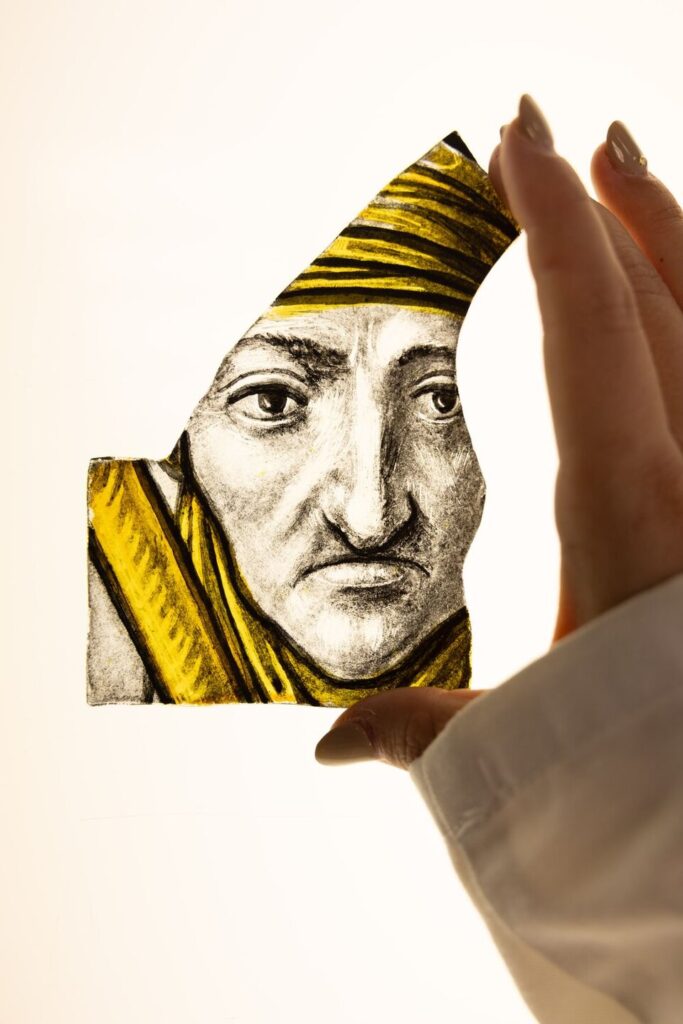
© João Lima – FCT-NOVA – VICARTE